Wellness Insights
Stay updated with the latest research in oxygen sessions and longevity.
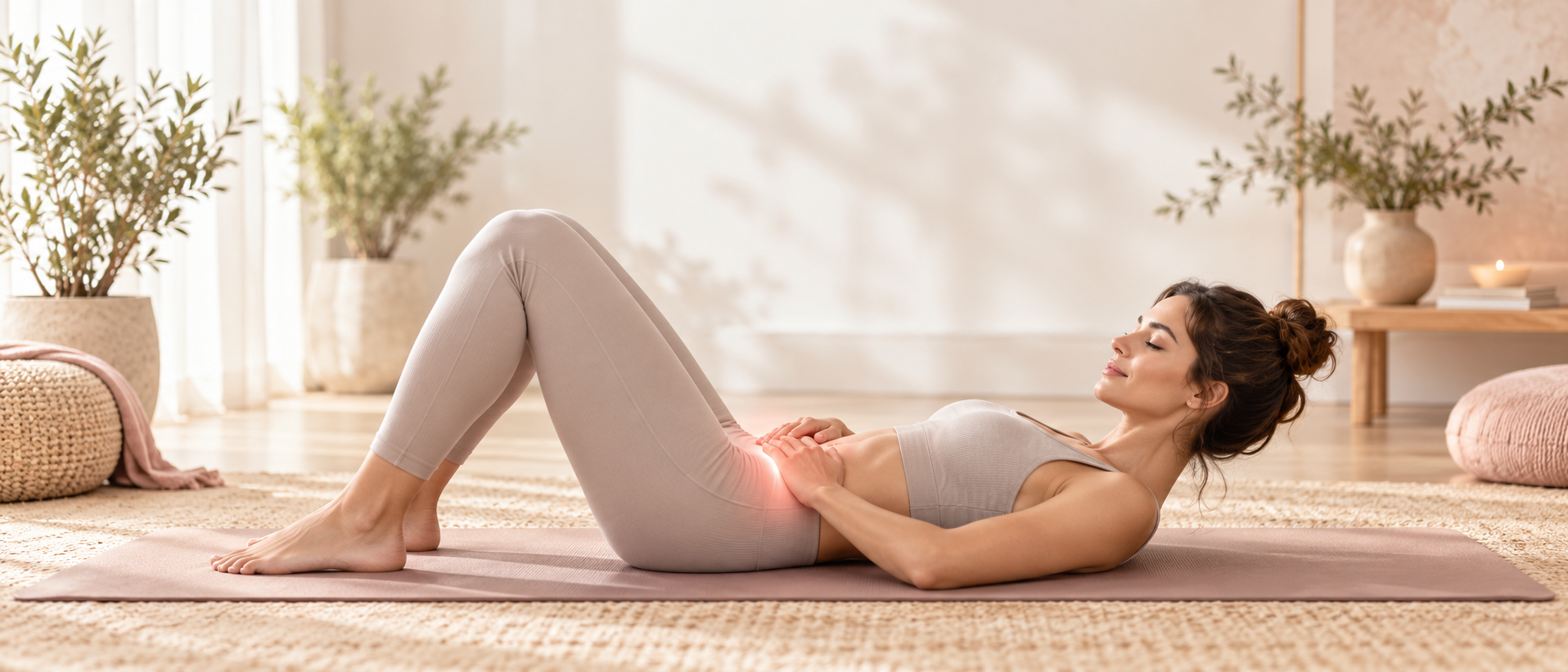
Pelvic floor exercises: is squeezing enough?
When people hear “pelvic floor exercises”, they usually think of one thing: Squeeze. Hold. Relax. Repeat. And yes — learning to contract these muscles can be useful. But a well-functioning…
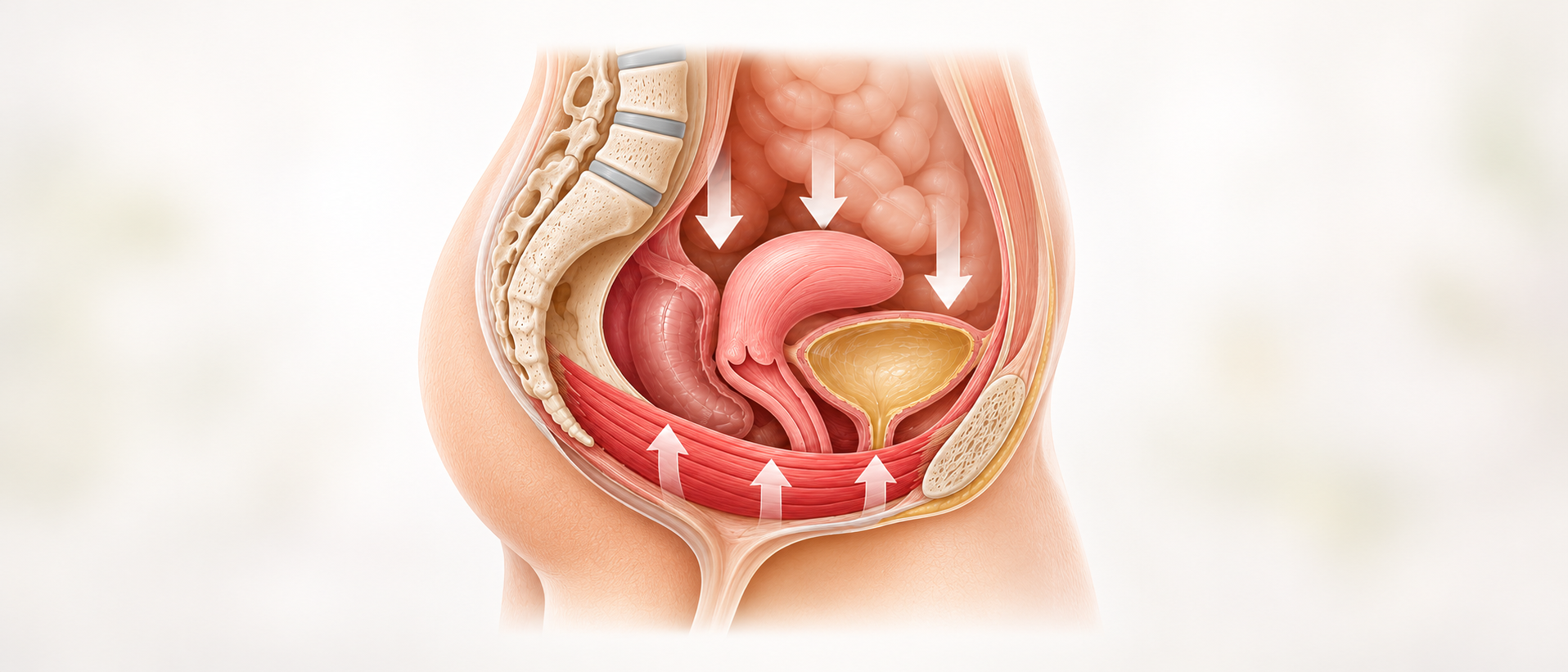
Why can your pelvic floor become weaker?
Pelvic floor problems do not usually appear for just one reason. These muscles can change gradually over time — sometimes because of pregnancy or surgery, sometimes because of age, hormones…
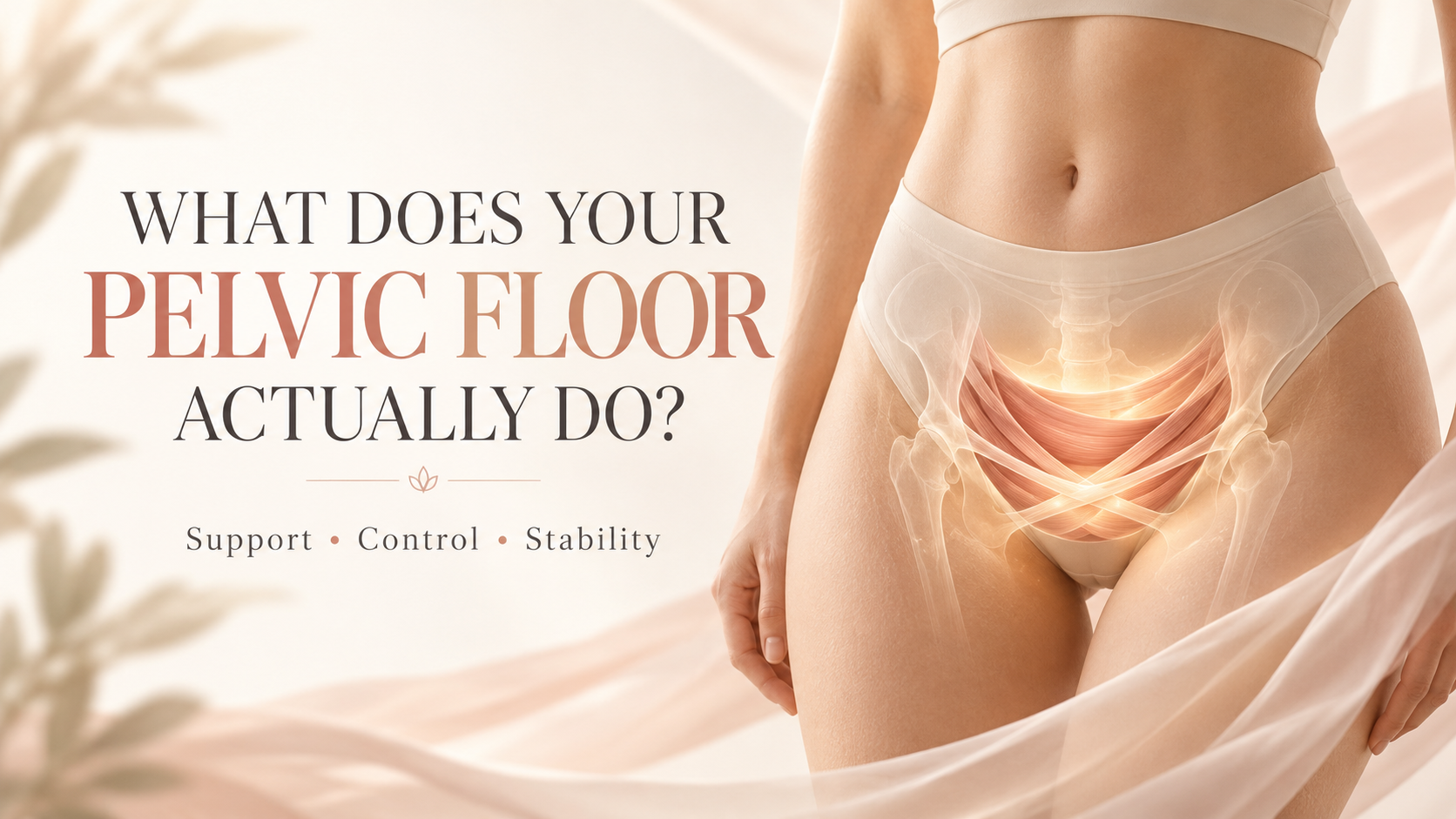
What does your pelvic floor actually do?
Most people rarely think about their pelvic floor. Until something changes. A little leak when you cough or exercise. A sudden rush to the toilet. Less control than before. Or simply a…
Red Light Therapy – Frequently Asked Questions
What is Red Light Therapy? Red Light Therapy, also known as photobiomodulation, uses specific wavelengths of red and near-infrared light to interact with the body. Different wavelengths…
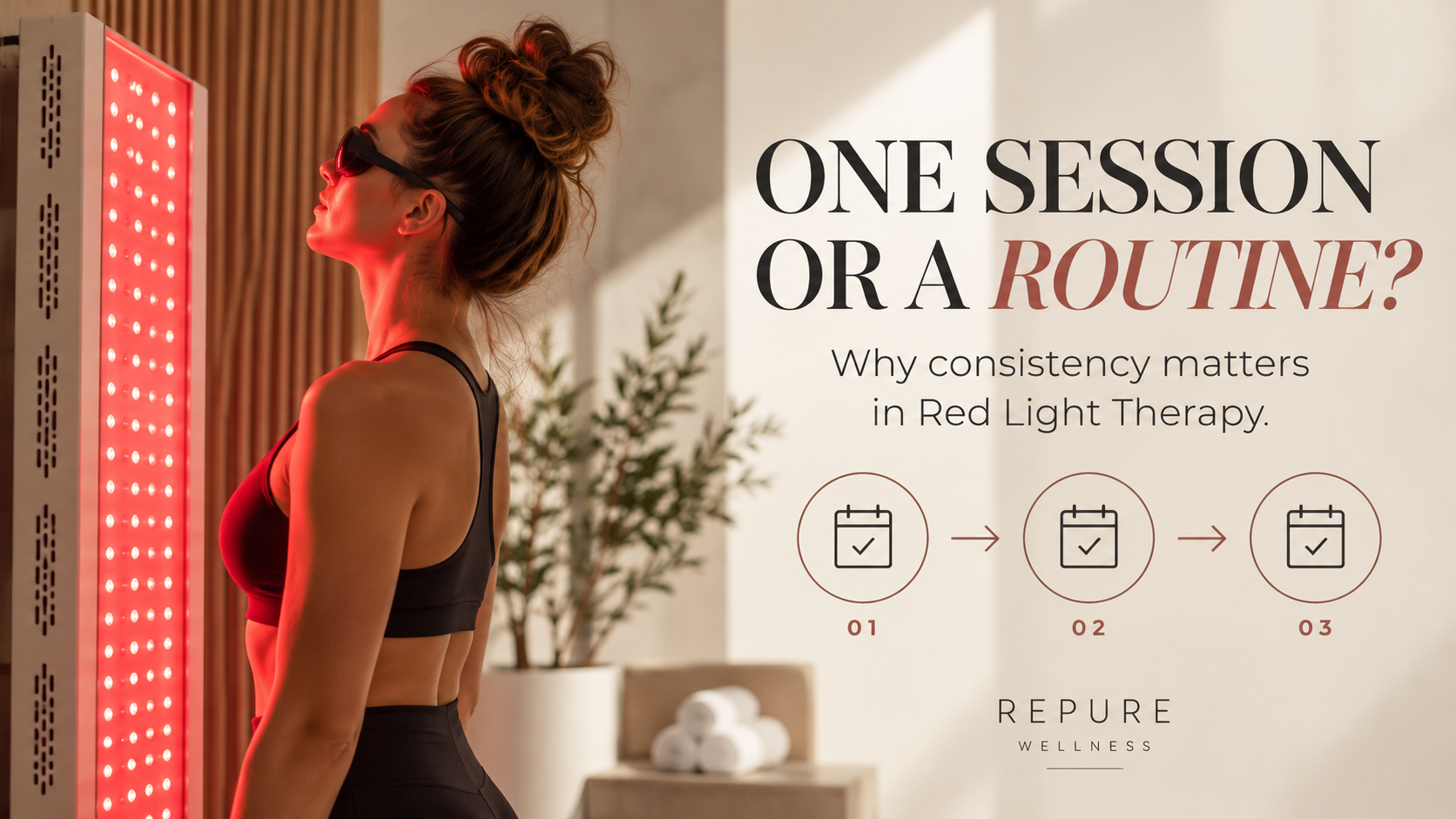
How often should you actually use Red Light Therapy?
One of the most common questions after a first session is: “How often should I use it?” And the answer is not simply “the more, the better”. With photobiomodulation, light dose matters…
One session or a routine?
Why consistency matters in Red Light Therapy Red Light Therapy is often presented as something you try once and immediately judge: “Did I feel a difference?” But photobiomodulation does not…
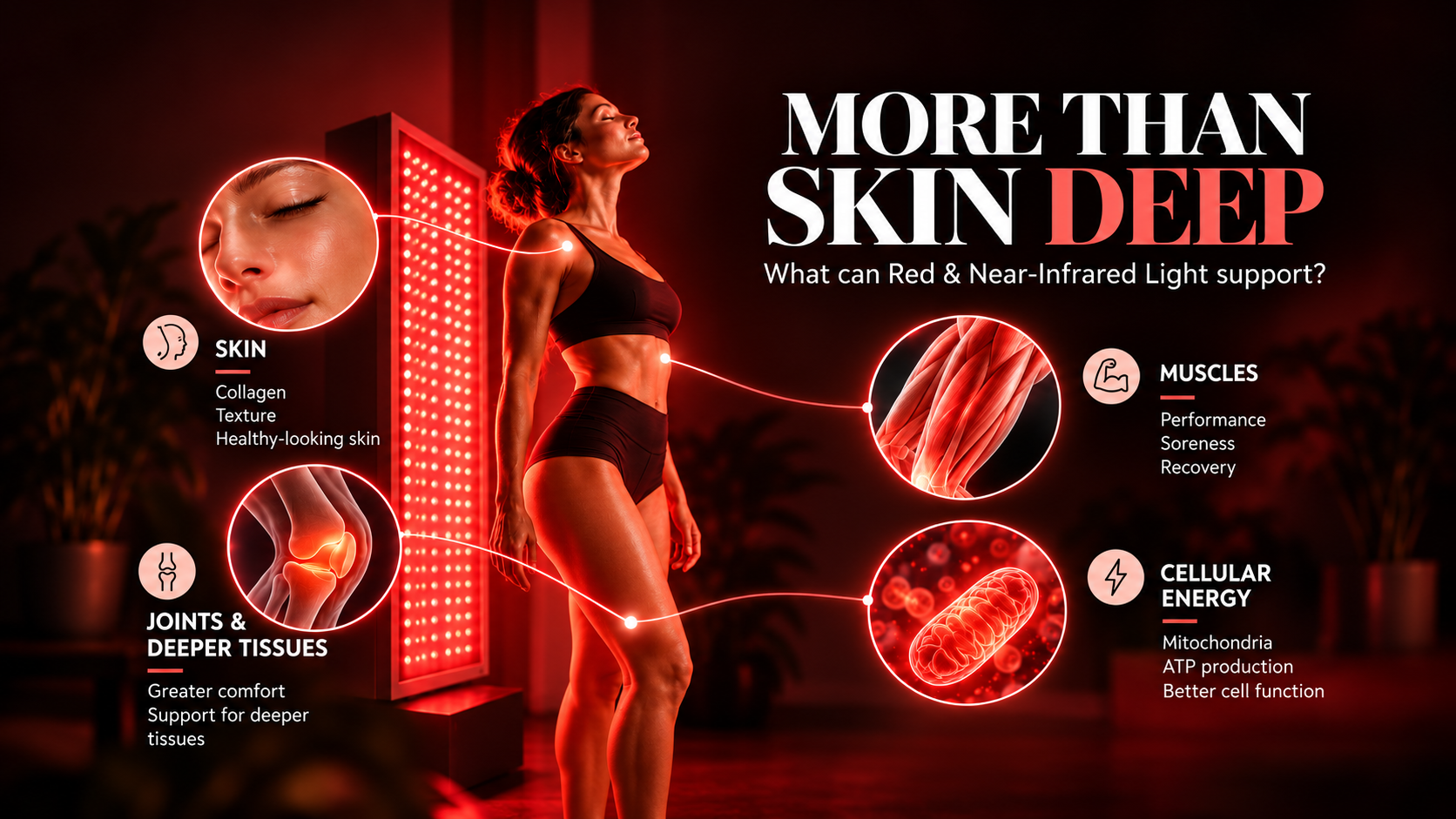
What can red and near-infrared light actually support?
Why are so many people using it? Because photobiomodulation is being studied across a surprisingly wide range of areas — from skin appearance and cellular function to muscles, physical…
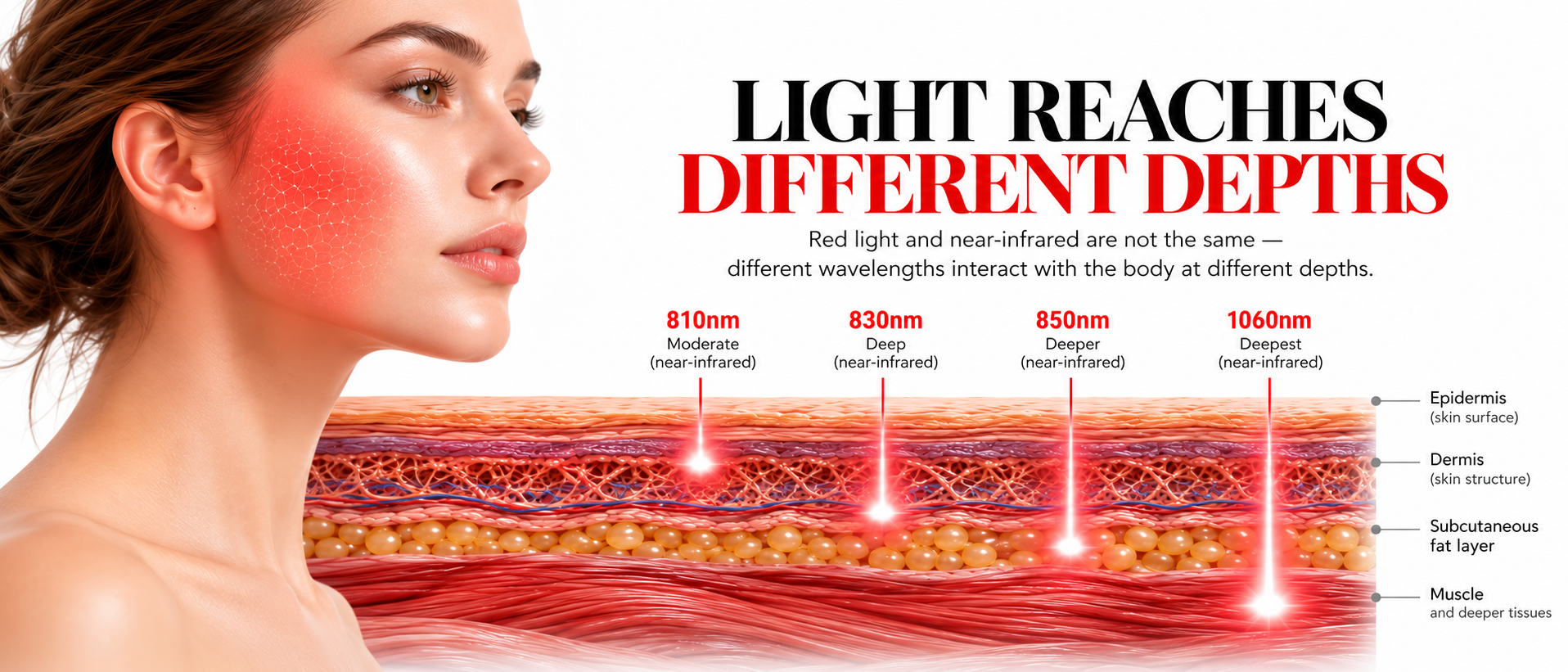
Red light vs near-infrared light – what’s the difference?
Red light vs near-infrared light – what’s the difference? Red light and near-infrared light are often mentioned together. They may come from the same panel, but they are not exactly the same…
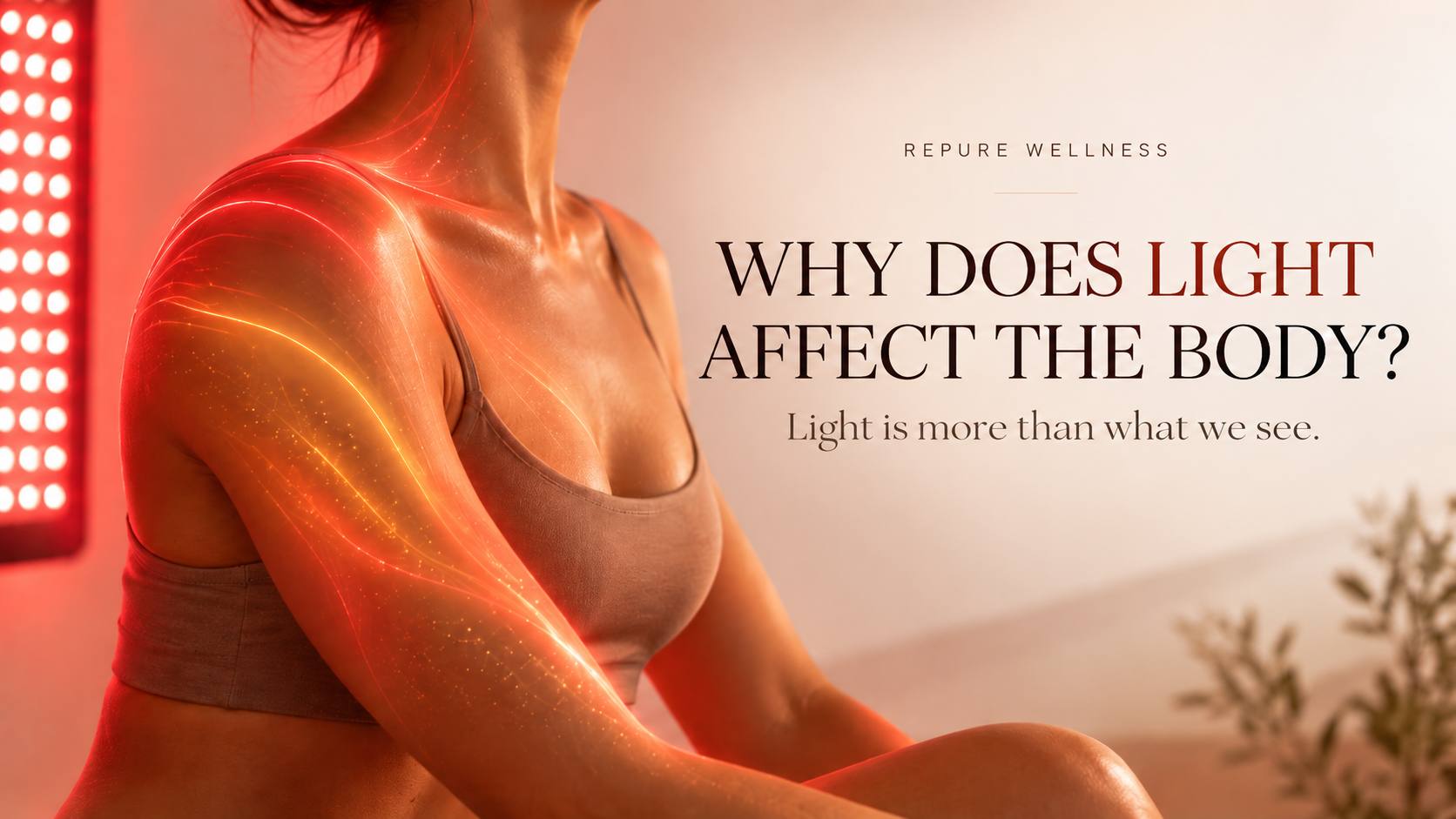
Why does light affect the body?
We usually think of light as something that simply helps us see. But light is energy — and our bodies can respond to it in different ways. Sunlight is an obvious example. It can influence…